
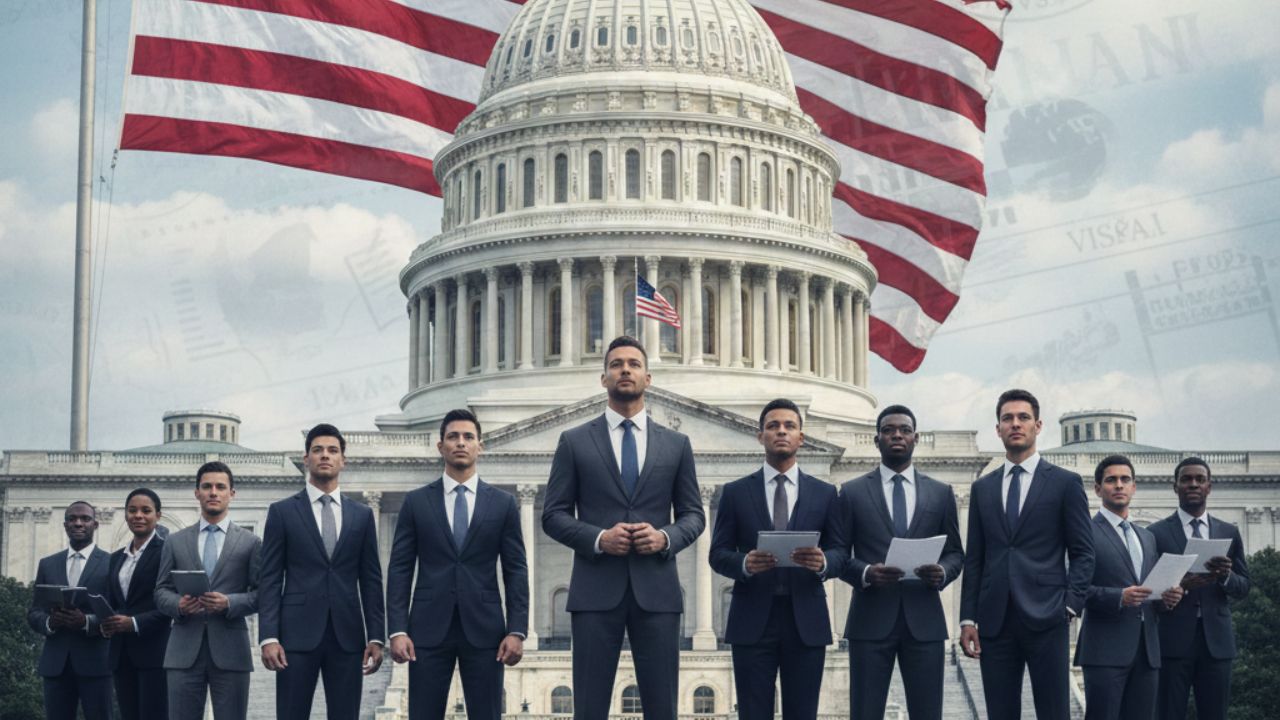
DHS Overhauls H-1B Visa Selection to Protect American Jobs and Wages
The U.S. Department of Homeland Security (DHS) has announced a major reform to the H-1B visa program, aiming to better protect American workers, wages, and job opportunities. The new rule eliminates the long-criticized random lottery system and introduces a weighted H-1B visa selection process that prioritizes higher-skilled and higher-paid foreign workers.
This policy shift marks one of the most significant H-1B visa changes in recent years and is designed to curb misuse of the program while aligning it with its original purpose: helping U.S. employers fill genuinely high-skill roles without undercutting American labor.
End of the Random H-1B Lottery System
Under the previous system, H-1B visas were awarded through a random lottery, regardless of salary level or skill intensity. Critics argued that this allowed some employers to exploit the program by submitting large numbers of applications for lower-wage foreign workers, often replacing or disadvantaging American employees.
The new DHS rule officially ends the random lottery and replaces it with a weighted selection model, where applications offering higher wages and advanced skills receive greater priority. According to DHS, this change better reflects Congressional intent behind the H-1B visa program.
Focus on Higher Wages and High-Skill Jobs
The updated H-1B visa selection process will now favor employers who offer competitive salaries and seek highly specialized talent. While applications at all wage levels will still be accepted, those offering higher compensation will have a significantly higher chance of selection.
USCIS spokesperson Matthew Tragesser stated that the old system was “exploited and abused” and that the new approach will strengthen America’s global competitiveness while discouraging wage suppression.
This reform directly addresses concerns about H-1B wage abuse, a long-standing issue raised by labor groups and policymakers.
H-1B Visa Cap Remains Unchanged
Despite the changes, the H-1B visa cap will remain the same:
- 65,000 standard H-1B visas
- 20,000 additional visas for U.S. advanced degree holders
What changes is not the number of visas, but who is more likely to receive them. The DHS emphasized that the goal is quality over quantity, ensuring the program supports innovation without harming U.S. workers.
Effective Date and Implementation Timeline
The final rule will take effect on February 27, 2026, and will apply to the FY 2027 H-1B cap registration season. Employers planning to sponsor foreign workers should begin adjusting their hiring and compensation strategies now to remain competitive under the new system.
Immigration experts say the rule could significantly reshape employer behavior, encouraging companies to invest more in high-paying, specialized roles rather than mass filings.
Additional Compliance and Cost Pressures for Employers
The H-1B reform also aligns with other strict measures already introduced, including a requirement for employers to pay an additional $100,000 per H-1B visa as a condition of eligibility under a presidential proclamation.
Combined with the new weighted system, these measures raise the cost of participation and are expected to reduce frivolous or exploitative filings, further protecting American workers.
Impact on American Workers and the U.S. Job Market
Supporters of the policy say the new H-1B visa reform will:
- Protect American jobs and wages
- Reduce unfair competition from low-wage labor
- Encourage employers to hire or upskill U.S. workers
- Preserve the H-1B program for truly high-skill needs
The administration reiterated its “America First” stance, emphasizing that immigration programs must benefit the domestic workforce first.
Why This H-1B Visa Change Matters in 2026
With the U.S. labor market facing rapid technological shifts, the revamped H-1B visa selection process aims to strike a balance between attracting global talent and safeguarding American workers. By prioritizing higher-paid, higher-skilled professionals, DHS believes the program will better serve both U.S. businesses and the broader economy.
As the H-1B visa policy evolves, employers, foreign professionals, and American workers alike will be watching closely to see how these reforms reshape the future of employment-based immigration in the United States.
Once it is published it will be available on this page in an official form. Until then, you can download the unpublished PDF version.
Also Read: Very Large Tax Refunds Coming in 2026: Why Americans Could Get $1,000–$2,000 From the IRS