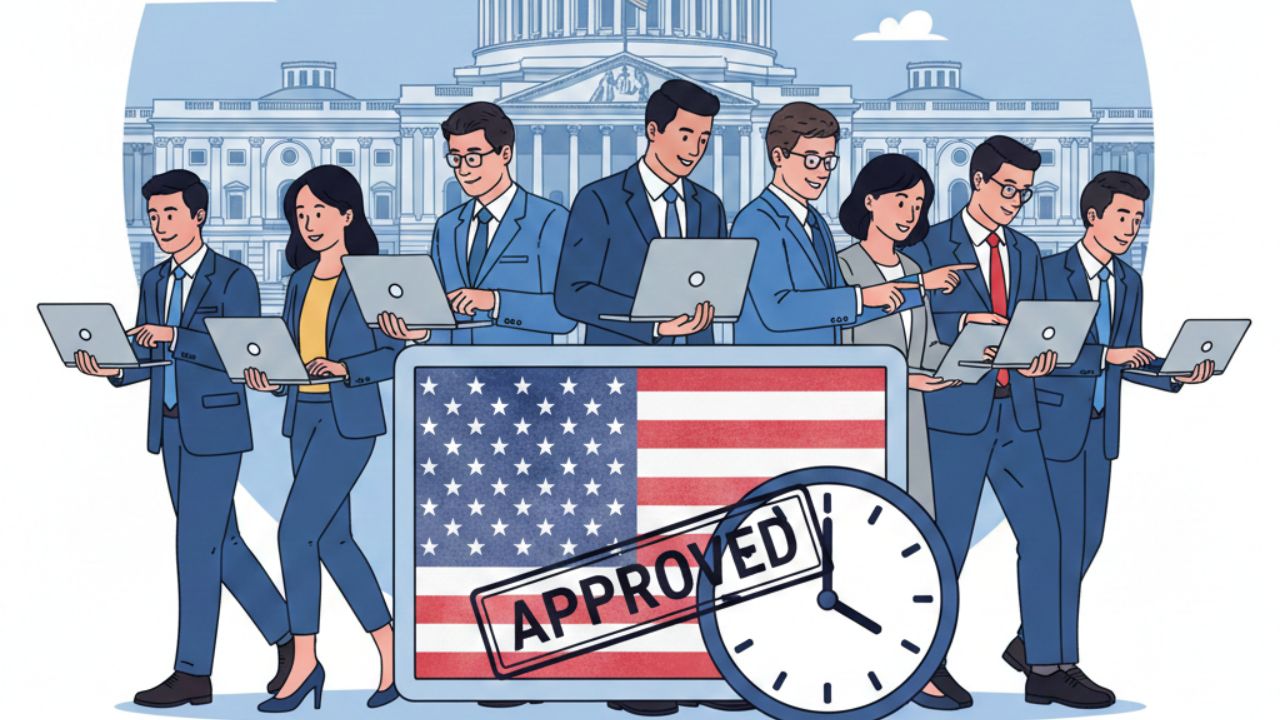
H-1B Visa Lottery System Replaced as DHS Prioritizes High-Paid Skilled Workers
The U.S. government is making one of the biggest changes in years to the H-1B visa program. The Department of Homeland Security (DHS) has officially announced that the traditional H-1B visa lottery system will be replaced with a new selection model that favors higher-paid and more highly skilled foreign workers. The move signals a major shift in US work visa policy and could reshape how companies hire global talent.
Why the H-1B Visa Lottery Is Ending
For decades, H-1B visas were awarded using a random lottery due to high demand and limited annual slots. DHS says that system was increasingly abused. According to U.S. Citizenship and Immigration Services (USCIS), some employers used the lottery to bring in lower-wage foreign workers instead of hiring American employees.
Officials argue the random system failed to protect U.S. wages and allowed companies to classify roles at lower skill levels, even when the workers hired were experienced professionals. The new H-1B visa changes aim to correct those issues by rewarding skill and salary instead of luck.
How the New H-1B Selection System Will Work
Under the updated rules, DHS will introduce a weighted selection process. This means H-1B registrations offering higher wages and specialized skills will have a better chance of being selected. Rather than a pure lottery, the system will prioritize applicants who earn more and fill critical roles.
According to DHS, this approach will ensure that H-1B visas go to high-value positions that strengthen the U.S. economy. The new policy officially takes effect on February 27, 2026, starting with the next H-1B cap registration season.
Read More: Student Loan Wage Garnishment Returns in January: What Borrowers Must Know
Trump Administration’s Role in H-1B Visa Changes
These H-1B visa new rules follow several immigration actions taken under the Trump administration. Earlier this year, President Trump signed a proclamation imposing a $100,000 annual fee per H-1B visa for certain employers. The goal was to discourage overuse of the program and promote higher wages.
While the policy was challenged in court, at least one federal judge upheld it. U.S. District Judge Beryl Howell ruled that the president has broad authority to act on immigration matters tied to economic and national security concerns.
Impact on U.S. Employers and Tech Companies
Major U.S. companies like Amazon, Microsoft, Apple, Google, and Tata Consultancy Services have historically been top users of the H-1B program. California remains the largest hub for H-1B workers.
With the end of the H-1B visa lottery, employers may now need to offer more competitive salaries to secure foreign talent. This could increase hiring costs but may also push companies to focus on truly specialized roles instead of entry-level positions.
Supporters Say H-1B Visas Drive Innovation
Supporters of the H-1B program argue that US work visas are essential for filling shortages in healthcare, education, engineering, and technology. They say foreign professionals help drive innovation, economic growth, and global competitiveness.
Many employers believe the new rules will improve the quality of H-1B hires and ensure the program benefits both U.S. workers and the broader economy.
Critics Warn of Reduced Access for Young Talent
Critics, however, worry that the new H-1B visa changes could limit opportunities for younger professionals and recent graduates. Since higher salaries will be favored, early-career workers may struggle to qualify, even if they have strong skills.
There are also concerns that smaller companies and startups may be priced out of the system due to higher wage requirements and added visa fees.
H-1B Visa Cap Remains the Same
Despite the policy overhaul, the annual H-1B visa cap remains unchanged. The U.S. will continue issuing 65,000 standard H-1B visas, plus 20,000 additional visas for applicants with a U.S. master’s degree or higher.
What This Means for the Future of US Work Visas
The replacement of the H-1B visa lottery system marks a turning point in US immigration policy. By prioritizing pay and skill level, DHS aims to protect American workers while still allowing employers to access top global talent.
As these H-1B visa new rules roll out, both employers and foreign workers will need to adapt to a more competitive, salary-driven system that reflects the evolving priorities of the U.S. labor market.
Also Read: DHS Announces Major H-1B Visa Rule Change to Protect American Jobs in 2026